Honey Lemone: A Playful Display Font for Bold Campaigns
It was a typical Thursday afternoon when I was tasked with designing the teaser graphic for an upcoming seasonal sale. The campaign needed to feel fresh, approachable, and above all, memorable. As I opened my design tool, I reached for Honey Lemone, a display font that had been sitting in my favorites folder for months. Within minutes, the mood of the entire project shifted—lighter, more playful, and instantly engaging.
A Font That Speaks to Creativity
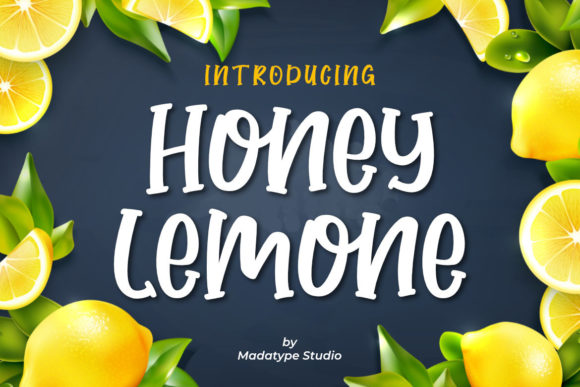
Honey Lemone is a display font with a personality that’s hard to ignore. Its quirky curves and jolly charm make it ideal for projects that need a touch of whimsy without losing clarity. The typeface feels like a warm hug from a friend—friendly yet professional enough to work across various brand tones. It’s not just about aesthetics; this font communicates energy and optimism, which are perfect for campaigns targeting younger audiences or lifestyle brands.
The visual style of Honey Lemone blends soft serifs with playful flourishes. It works well on both light and dark backgrounds, making it versatile for different design scenarios. Whether you're creating a YouTube thumbnail, an Instagram post, or a digital ad, this font brings a sense of fun that can elevate your content from generic to unforgettable.
Real-World Use in Campaign Design
I used Honey Lemone as the headline for the seasonal sale teaser. The text read “Get Ready for Summer Vibes!” and immediately caught attention. The font’s unique shape made the message stand out against a clean background, while still being legible even on smaller mobile screens. For the Instagram post, I paired it with a minimalist sans serif font for the supporting copy, ensuring a balanced hierarchy between the headline and the body text.
In another instance, I designed a webinar banner using Honey Lemone for a creative course launch. The title “Unlock Your Inner Artist” was bold and inviting, drawing viewers in before they even read the description. The font’s character added a personal touch that aligned perfectly with the course's theme of self-expression and creativity.
For Pinterest pins, where visuals need to be eye-catching at first glance, Honey Lemone proved invaluable. I used it for headlines like “DIY Summer Decor Ideas” and saw higher engagement compared to previous campaigns with more traditional fonts. The font’s playful nature encouraged users to stop scrolling and click through to the pin.
Readability and Practical Considerations
While Honey Lemone excels in grabbing attention, it’s important to consider readability, especially in fast-scrolling feeds or small previews. On mobile devices, the font remains clear but should be used sparingly. For longer texts or dense information, it’s best to avoid this font altogether. Instead, reserve it for short headlines, callouts, or decorative titles where its visual impact can shine without compromising clarity.
When using Honey Lemone, I recommend pairing it with a clean sans serif font like Montserrat or Lato for body text. This combination ensures that the message stays easy to read while maintaining a cohesive visual identity. Also, always check for ligatures, alternates, and multilingual support before finalizing your design, especially if the campaign will reach a global audience.
Another key factor is commercial font licensing. If you’re planning to use Honey Lemone in ads, templates, or merchandise, ensure you have the appropriate license to avoid any legal issues down the line.
Where Honey Lemone Fits Best
Honey Lemone shines in situations that require a touch of personality. It works beautifully for short headlines, logo-style text, campaign labels, decorative titles, and branded templates. However, it may not be the best choice for long-form content, formal corporate communication, or tiny text sizes where legibility becomes a concern.
Whether you're launching a product, promoting a course, or running a seasonal sale, Honey Lemone offers a creative edge that can help your campaign stand out in a crowded digital space. Its ability to convey warmth and playfulness makes it a great fit for lifestyle, fashion, food, and entertainment brands looking to connect with their audience on a more personal level.